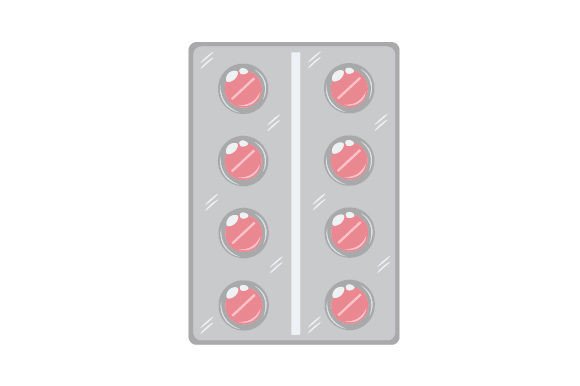
Tablet Sheet: A Designer’s Review for Real Embroidery Projects
As an embroidery designer who has spent years translating digital vectors into thread, I have learned that not every cute graphic translates well to fabric. When I first opened the files for Tablet Sheet, my immediate reaction was one of cautious optimism. This design sits at an interesting intersection of themes, blending elements that feel relevant to both the Medical and Crafts categories. It is not just a generic icon; it carries a specific visual weight that demands careful handling during the digitizing and stitching process. In this review, I am breaking down how this design performs in real-world scenarios, from custom apparel to boutique merchandise, so you can decide if it fits your next project.
First Impressions and Visual Personality
The layout of Tablet Sheet is clean and structured, which is essential for embroidery. Designs that are too cluttered often turn into a muddy mess once the needle hits the fabric. What stands out here is the balance between negative space and filled areas. The shape suggests a modern, professional aesthetic, making it suitable for items that need to look polished rather than purely whimsical. The mood it creates is one of reliability and care, which is why it resonates so strongly with medical professionals or anyone in the healthcare field looking for personalized gear. However, its simplicity also allows it to work in broader craft contexts, such as educational tools or organized home decor.
When evaluating the detail level, I noticed that the lines are distinct enough to hold their shape without requiring excessive density. This is a crucial factor for maintaining the softness of the final product. A heavy-handed approach to stitch density can make a garment stiff and uncomfortable, but this design appears to lend itself well to a balanced mix of satin stitch for outlines and fill stitch for larger areas, ensuring clarity without bulk.
Real-World Application: The Custom Tote Bag Test
To truly understand the value of an embroidery file, you have to imagine it on a physical product. I recently worked on a project for a local nursing student who wanted a set of durable tote bags for clinical rotations. Tablet Sheet was the perfect candidate for this application. We placed the design on a heavy-duty canvas tote, using a cut-away stabilizer to ensure the fabric did not pucker under the tension of the machine.
The result was striking. The design held its integrity even on the textured surface of the canvas. For Etsy sellers and small shop owners, this is the kind of reliability that builds customer trust. When a buyer receives a handmade product where the embroidery looks crisp and professional, they are more likely to leave positive reviews and return for future purchases. The visual appeal of the finished product directly impacts the perceived value, allowing you to price your items competitively while maintaining healthy margins.
Versatility Across Product Lines
Beyond tote bags, Tablet Sheet demonstrates impressive versatility across various substrates. For those running a craft business, consider these applications:
- Sweatshirt Embroidery: The design works beautifully on fleece or cotton blends. Just ensure you use a tear-away stabilizer to prevent stiffness against the skin.
- Embroidered Patch Creation: Because the edges are well-defined, this design is ideal for creating iron-on or sew-on patches. You can use a dense satin stitch border to seal the edges cleanly.
- Baby Embroidery: For nursery decor or baby clothes, scale the design down. The simple shapes remain recognizable even at smaller sizes, making it a sweet, subtle accent for blankets or bibs.
- Holiday Embroidery: While primarily professional, the clean lines allow for creative color swaps. Imagine this in festive reds and greens for a holiday gift for a teacher or doctor.
For digital product sellers, having access to formats like SVG File, Transparent PNG, EPS, and DXF means you are not limited to machine embroidery. You can use these assets for printable mockups, vinyl cutting, or sublimation designs, expanding your revenue streams beyond just stitched goods.
Technical Considerations and Potential Pitfalls
While Tablet Sheet is robust, no design is universally perfect without adjustments. There are specific scenarios where you need to proceed with caution. If you are working with stretchy fabric, such as performance wear or thin jersey knits, the stability of the design becomes critical. Without proper stabilization, the fill stitch areas may cause the fabric to gather or distort. Always test on scrap fabric first to gauge how the thread interacts with the material.
Another area of concern is small hoop sizes. If you are attempting to place this on a cap or a curved surface, ensure that the design dimensions fit within the usable area of your hoop without hitting the edges. Curved surfaces require careful hooping techniques to prevent shifting. Additionally, if the design includes any tiny lettering or intricate corners, inspect them closely in your software. Sometimes, what looks sharp on screen can become lost in translation if the stitch density is too high or the thread color contrast is too low.
Dark fabrics present another challenge. If you are stitching on black or navy, you must choose thread colors that pop. A lack of contrast can render the design invisible from a distance. I recommend creating black and white mockups to check the silhouette before committing to thread colors. This simple step can save you hours of unpicking and re-stitching.
Enhancing Brand Consistency and Professionalism
For commercial embroidery projects, consistency is key. Using a design like Tablet Sheet can help establish a cohesive brand identity for medical practices, clinics, or health-focused boutiques. When customers see the same high-quality emblem on aprons, pillow covers, and tea towels, it reinforces brand recognition. This level of professionalism sets you apart from hobbyists who may not pay attention to stitch quality or fabric choice.
Moreover, the giftability of items featuring this design is high. Personalized gifts that serve a practical purpose, such as a customized apron for a nurse or a decorative pillow for a healthcare worker’s lounge, are always in demand. The emotional connection customers feel when receiving a thoughtful, well-made item drives engagement and word-of-mouth marketing.
Final Designer Notes and Best Practices
Before you launch into production, take a moment to review the technical specifics. Since you will receive this design in SVG File, Transparent PNG, EPS, and DXF formats, ensure your embroidery software can import these correctly or convert them into your machine’s native format. Check the license terms provided with the download to confirm whether you can use the finished products for commercial sales. Not all digital embroidery files allow for unlimited commercial use, so clarity here is vital for legal compliance.
- Test Stitch: Always run a test on similar fabric to check for puckering or thread breaks.
- Stabilizer Choice: Match your stabilizer to the fabric weight. Heavy fabrics need cut-away; light fabrics need tear-away or wash-away.
- Thread Quality: Use high-quality polyester or rayon threads to ensure durability, especially for items that will undergo frequent washing.
- Color Contrast: Verify that your thread colors stand out against the background fabric.
In conclusion, Tablet Sheet is a versatile and professional asset for any embroidery designer’s library. It bridges the gap between functional medical imagery and creative craft applications, offering a clean aesthetic that translates well to thread. By paying attention to fabric choice, stabilization, and stitch density, you can create stunning handmade products that resonate with customers and elevate your brand. Whether you are an Etsy seller looking to expand your catalog or a hobbyist creating personalized gifts, this design offers the reliability and visual appeal needed for successful projects.