Surgical Knife Embroidery: A Designer’s Practical Review
When I first pulled up the Surgical Knife design on my screen, my immediate reaction was one of cautious curiosity. As an embroidery designer who has stitched everything from delicate baby onesies to heavy-duty workwear aprons, I know that medical-themed motifs walk a fine line. They can easily appear too clinical, sterile, or even unsettling if not handled with the right artistic touch. However, this particular design manages to balance precision with aesthetic appeal, making it a viable option for specific niches within the Crafts and Medical categories.
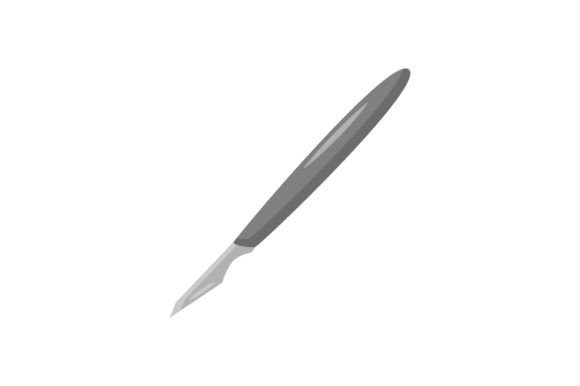
The visual personality of the Surgical Knife is clean and sharp. It does not rely on excessive ornamentation, which is exactly what you want when representing surgical tools. The lines are definitive, suggesting accuracy and care. For those of us creating machine embroidery design assets for sale or personal use, this clarity is crucial. A muddy or overly complex medical icon loses its meaning quickly once thread hits fabric. This design maintains its integrity, ensuring that the subject matter is instantly recognizable without looking like a cartoonish clip-art afterthought.
Real-World Application: The Custom Scrub Cap Scenario
To truly evaluate an embroidery file, I always imagine it in a real-life production scenario. Recently, I was working on a custom order for a local nursing student who wanted personalized gear for her clinical rotations. She requested something professional yet distinctive for her scrub caps. The Surgical Knife design came to mind immediately. Unlike generic hearts or caduceus symbols that are oversaturated in the market, this tool-specific motif speaks directly to the precision of the profession.
I visualized the design placed subtly on the side panel of a cotton scrub cap. Because the design is likely composed of clean lines, it would translate well into a combination of satin stitch borders and potentially light fill stitch areas, depending on the specific rendering in the digital file. The key here is scale. On a curved surface like a cap, a design that is too large or dense will cause puckering. The Surgical Knife appears compact enough to sit comfortably in a 4x4 hoop, making it ideal for small, detailed applications where space is at a premium.
Versatility Across Products and Fabrics
Beyond apparel, this design has strong potential for various handmade product lines. Consider tote bag design options for medical supply companies or nursing schools. A canvas tote featuring this emblem, perhaps accompanied by a witty quote about coffee or caffeine, becomes a highly marketable Etsy seller item. The stark contrast of a white or silver thread against a navy or black canvas creates a professional, boutique look that elevates the perceived value of the finished product.
For small shop product creators, think about embroidered patch production. Patches are trending heavily right now, and medical professionals love collecting them for their bags or jackets. The Surgical Knife would make an excellent centerpiece for a round or shield-shaped patch. When digitizing or reviewing such a design for patches, pay close attention to the stitch density. Patches require higher density to cover the backing material completely, but you must ensure the details of the knife handle and blade do not merge into a solid blob of thread.
It is also worth considering holiday embroidery gifts. While it may seem unconventional, "Galoentines" or birthday gifts for surgeon friends often feature inside jokes related to their trade. A kitchen towel or apron embroidered with this design could serve as a humorous yet high-quality personalized gift. Just ensure the placement is away from high-heat areas if the item is functional, preserving the thread integrity over time.
Technical Considerations and Stitching Challenges
While the aesthetic is strong, we must address the technical realities of stitching a Surgical Knife. Medical instruments are defined by their sleek, metallic surfaces. Replicating this sheen with thread is challenging. I recommend using rayon or polyester threads with a high luster to mimic the reflective quality of steel. Avoid matte cotton threads unless you are going for a vintage, rustic look, which may clash with the modern precision of the tool.
One critical area to watch is the tip of the knife. In many digital formats, sharp points can become blunt if the running stitch or satin columns are not properly tapered. Before committing to a final embroidery project, always run a test stitch-out on scrap fabric similar to your final material. Check if the point remains sharp or if it bunches up. If the design includes any tiny text or intricate handle detailing, verify that these elements are legible at your intended size. What looks crisp on a computer screen can disappear under the needle on textured fabrics like terry cloth or fleece.
Fabric choice matters immensely. For custom apparel like t-shirts or sweatshirts, a cut-away stabilizer is non-negotiable to prevent distortion, especially if the design has any solid filled areas. On stretchy fabrics, the rigid lines of a surgical tool might warp if the fabric pulls during wear. Always hoop firmly and consider using a topping if stitching on pile fabrics like towels or fleecy blankets to keep the stitches sitting on top rather than sinking in.
Commercial Viability and Brand Consistency
For creative entrepreneurs and digital embroidery file sellers, the Surgical Knife offers a niche advantage. The medical field is evergreen, and professionals are always seeking ways to express pride in their demanding careers. This design fits seamlessly into a broader collection of design assets aimed at healthcare workers. It pairs well with other tools like stethoscopes, syringes, or anatomical hearts, allowing you to create bundled products that increase average order value.
However, context is everything. Ensure that your marketing materials reflect the professionalism of the design. Use clean, minimalist printable mockup images that highlight the precision of the stitch work. Avoid cluttered backgrounds that distract from the sharp lines of the knife. Your brand consistency should mirror the cleanliness associated with the Medical industry—think whites, blues, teals, and sterile grays.
Final Verdict and Designer Notes
The Surgical Knife is a solid addition to any designer’s library, provided it is used with intention. It is not a design that works everywhere; it demands respect for its subject matter. It shines best on structured items like caps, bags, and polos, or as part of a curated gift set for medical professionals.
Before you launch into production, remember these practical steps:
- Check File Formats: You will receive this design in SVG, Transparent PNG, EPS, and DXF. Ensure your embroidery software can import these correctly or convert them to your machine’s native format (like PES or DST) without losing detail.
- Test Thread Contrast: Metallic or light gray threads on dark fabrics provide the most realistic "steel" look.
- Verify Licensing: Confirm whether the license allows for commercial sales of finished physical items if you plan to sell these on Etsy or at craft fairs.
- Inspect Small Details: Zoom in on the digital preview. Are there any stray nodes or overlapping paths that could cause thread breaks?
In conclusion, the Surgical Knife design offers a professional, clean aesthetic that resonates with its target audience. It requires careful handling regarding stitch density and fabric choice, but when executed correctly, it results in a high-quality, meaningful embroidered patch or apparel item that customers will trust and appreciate. It is a testament to how specific, well-executed themes can elevate a simple craft business offering into a specialized, high-value product.