Reviewing the Stethoscope with Plus Medical Logo for Embroidery
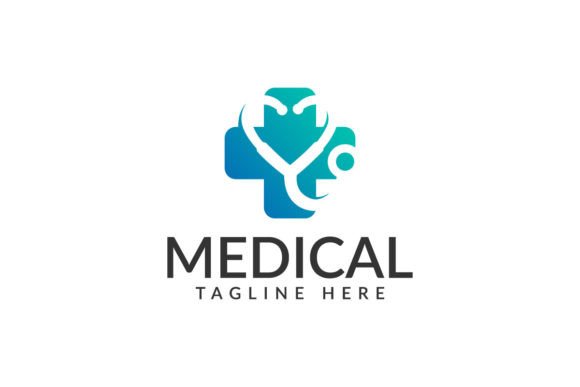
As a designer who has spent countless hours digitizing and stitching out medical-themed motifs, I approach every new Logos asset with a critical eye. The market is flooded with generic clipart that looks crisp on a screen but turns into a tangled mess of thread on fabric. Recently, I evaluated the Stethoscope with Plus Medical Logo, a flat vector template described as an abstract medical health care design using negative space. My goal was not just to admire the aesthetics, but to determine if this graphic holds up under the needle in real-world production scenarios.
First Impressions: Clarity Amidst Simplicity
The immediate appeal of the Stethoscope with Plus Medical Logo lies in its minimalist structure. In the world of embroidery, less is often more. Complex gradients and tiny details rarely translate well to thread, especially when working with standard polyester or rayon threads. This design relies on bold shapes and clear lines, utilizing the concept of negative space to define the stethoscope form against a cross or plus sign. For a reviewer, this is promising. It suggests that the design avoids the "muddy" look that plagues overly dense digital embroidery files.
The mood is professional yet approachable. It does not scream "hospital emergency," which can be stark and cold. Instead, it feels like a modern clinic or a private practice brand. This visual personality makes it versatile. It is not just for scrubs; it fits comfortably within the broader category of health and wellness, opening doors for yoga instructors, doulas, or holistic practitioners who want subtle medical symbolism in their branding.
Real-World Application: The Custom Tote Bag Test
To truly understand how this Graphics asset performs, I simulated a common client request: a custom embroidered tote bag for a local nursing graduation gift. Tote bags are tricky because canvas has a distinct weave and texture. I imagined placing the Stethoscope with Plus Medical Logo on a natural cotton canvas.
In this scenario, the flat vector nature of the design works in our favor. A satin stitch border around the primary shapes would provide clean definition, while a fill stitch could be used sparingly for the heavier parts of the stethoscope tubing. The negative space allows the fabric color to show through, reducing stitch count and preventing the bag from becoming stiff or puckered. For an Etsy seller or small shop owner, this efficiency translates to faster production times and lower thread costs, directly impacting profit margins.
Beyond tote bags, consider sweatshirt embroidery. A left-chest placement of this logo on a heather grey fleece would look sophisticated. The contrast between the thread colors and the fabric would need careful selection, but the bold lines ensure the design remains legible even from a distance. This is crucial for custom apparel where brand recognition is key.
Navigating Technical Challenges
While the design is robust, it is not without its pitfalls. Embroidery designers must exercise caution when scaling. If you attempt to shrink the Stethoscope with Plus Medical Logo for a baby embroidery project, such as a onesie or a small burp cloth, the negative space gaps may close up. Thread has thickness, and what looks like a clean gap on a vector screen can become a solid blob of thread on a tiny hoop size. Always test the design on scrap fabric at the intended scale before committing to the final product.
Textured fabrics present another challenge. If you are stitching this onto a terry cloth towel or a thick blanket, the intricate curves of the stethoscope tubing might get lost in the pile. In these cases, increasing the stitch density slightly or using a contrasting underlay can help anchor the design. However, one must balance this with the risk of perforating delicate fabrics. For thin fabric or stretchy materials like performance scrubs, a proper stabilizer is non-negotiable. A cut-away stabilizer would likely be the best choice to maintain the integrity of the shape after repeated washing.
Curved surfaces, such as caps, require special attention. The flat nature of this vector logo means it does not have built-in distortion compensation. When digitizing this for a cap, you must account for the pull of the fabric over the curve. Without proper adjustment, the circular elements of the stethoscope may appear oval or distorted in the finished product.
Enhancing Brand Value and Customer Trust
For commercial embroidery projects, the quality of the design reflects directly on the perceived value of the item. A crisp, well-stitched Stethoscope with Plus Medical Logo signals professionalism. It tells the customer that the creator cares about detail. This is particularly important for personalized gifts and boutique branding. When a nurse receives a jacket with this emblem, it feels like a badge of honor rather than a cheap promotional item.
From a marketing perspective, this design serves as a strong visual anchor for printable mockups and digital product previews. Because it is a high-resolution vector template, it scales infinitely for digital use. An Etsy seller can use the same asset for their website banner, social media posts, and the actual embroidery file, ensuring brand consistency across all touchpoints. This coherence builds trust with buyers, who appreciate a polished and professional presentation.
Practical Notes for the Embroidery Designer
Before you purchase or download this design for your next craft business venture, consider these practical steps:
- Check Thread Color Contrast: Since the design uses negative space, the relationship between the thread color and the fabric color is vital. Test it in black and white mockups first to ensure the shapes remain distinct.
- Verify Stitch Density: If you are digitizing this from the vector yourself, avoid over-packing the fill stitches. Let the negative space do the work. If buying a pre-digitized machine embroidery design, check the stitch count to ensure it is appropriate for your hoop size.
- Confirm Licensing: Always read the terms of use. Determine if the license allows for commercial embroidery projects or if it is limited to personal use. This is critical for small shop products and handmade items intended for sale.
- Test on Multiple Fabrics: Do not assume the design will behave the same on cotton as it does on polyester. Run tests on the specific materials you plan to use for your inventory.
- Inspect Small Details: Look closely at the junction where the stethoscope meets the plus sign. Ensure there are no unnecessary jump stitches or trims that could weaken the structure or create unsightly tails.
In conclusion, the Stethoscope with Plus Medical Logo is a strong contender for medical-themed embroidery projects. Its strength lies in its simplicity and adaptability. Whether you are creating holiday embroidery for healthcare workers, designing an embroidered patch for a clinic uniform, or producing custom apparel for a medical startup, this design offers a clean, professional aesthetic. By respecting the technical limitations of embroidery machines and choosing the right materials, you can transform this digital asset into a high-quality finished product that resonates with customers and stands the test of time.