Reviewing the Modern Medical Logo Template for Stitching
As an embroidery designer who has spent years digitizing logos and troubleshooting stitch-outs on everything from stiff canvas to stretchy jersey, I approach every new design asset with a healthy dose of skepticism. We have all been there: you download a digital embroidery file that looks crisp on screen, only to find it turns into a tangled mess of thread once it hits the fabric. That is why I took a close look at the Modern and Creative Medical Logo Templat to see if it holds up in real-world production environments.
This is not just a graphic; it is a potential cornerstone for a craft business or a boutique branding project. The template is marketed as a versatile asset for print and decoration, provided in Ai, Eps, Png, Jpg, and Svg formats. While these are standard vector and raster formats for graphic design, using them for embroidery requires a specific workflow. Let us break down how this design performs when translated from screen to needle.
First Impressions and Visual Personality
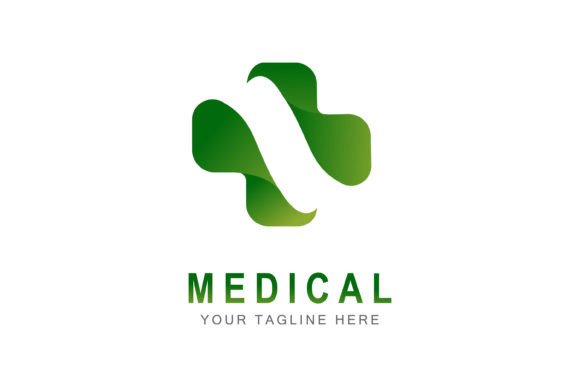
The first thing that strikes me about the Modern and Creative Medical Logo Templat is its clean, contemporary aesthetic. Medical branding often leans toward sterile or overly complex imagery, but this template balances professionalism with creativity. The lines appear smooth, and the layout suggests a thoughtful approach to negative space. For an embroiderer, negative space is gold. It means less density, fewer thread breaks, and a softer hand feel on the finished garment.
The mood it creates is trustworthy yet approachable. This makes it ideal for pediatric clinics, wellness coaches, or modern dental practices looking to soften their image. When I visualize this as an embroidered patch or a chest logo on a scrub top, the simplicity works in its favor. Complex gradients do not translate well to thread, but strong, solid shapes do. This design seems to prioritize those solid shapes, which is a promising sign for stitch clarity.
Real-World Application: The Custom Tote Bag Test
To truly evaluate a design, I imagine it in a specific project scenario. Let us say I am preparing a custom order for a local nurse practitioner who wants branded merchandise for her holistic health workshop. She requests a sturdy cotton tote bag design that feels premium but durable. This is where the Modern and Creative Medical Logo Templat shines.
Because the design is provided in vector formats like Ai and Eps, I can easily resize it without losing quality before digitizing. For a tote bag, I would likely scale the logo to fit a 5x7 hoop. The clean lines allow for a combination of satin stitch borders and fill stitch interiors. If the design includes fine details, I might convert some elements to running stitch to reduce bulk. The result is a professional-looking handmade product that does not feel stiff or cardboard-like. Customers appreciate when embroidered items remain flexible and comfortable, and this design’s structure supports that goal.
Navigating Fabric and Hoop Constraints
However, no design is universally perfect. There are situations where you must use the Modern and Creative Medical Logo Templat with caution. If you are working with textured fabrics like terry cloth towels or fuzzy fleece, small details can get lost. In these cases, I recommend simplifying the design further or increasing the size to ensure visibility.
Another critical factor is stitch density. Since this is a template and not a pre-digitized embroidery file, you are responsible for setting the density during the digitizing process. If you pack too many stitches into a small area, you risk puckering the fabric, especially on thin materials like performance polos or baby clothes. Always test on scrap fabric first. Check how the thread colors interact with the background. A white medical cross on a light gray shirt might vanish, so contrast is key.
For curved surfaces like caps, the design needs to be narrow enough to fit the front panel without distorting. The horizontal balance of this template seems suitable for cap embroidery, provided you use a proper cut-away stabilizer to support the stitch weight. Without adequate stabilization, even the best design will warp after washing.
Commercial Value and Brand Consistency
For Etsy sellers and small shop owners, the visual appeal of your product directly impacts buyer engagement. A clean, modern logo signals professionalism. When customers see a well-executed sweatshirt embroidery piece, they perceive higher value. This template allows for consistent branding across various items, from aprons to pillow covers. Consistency builds trust, and trust drives sales.
If you are creating personalized gifts or holiday embroidery items, this design can be adapted easily. Imagine adding a name below the logo in a complementary font. The modular nature of the template makes it easy to integrate with other design assets. However, always confirm licensing before selling finished items. While the product description lists it under Logos and Graphics, commercial rights for physical goods can vary. Ensure you have the right to use the design in your commercial embroidery projects.
Practical Designer Notes for Best Results
Before you commit to a full production run, keep these practical tips in mind:
- Digitize with care: Since you receive Ai and Svg files, you must digitize them yourself or hire a digitizer. Do not assume auto-digitizing will yield perfect results. Manual adjustment of stitch angles and pull compensation is essential.
- Test contrast: Run black and white mockups to ensure the design is readable without color. This helps identify if any lines are too thin.
- Check hoop size: Ensure the scaled design fits comfortably within your machine’s hoop, leaving room for stabilization.
- Inspect small details: Tiny corners can cause thread bunching. Consider rounding sharp edges slightly for smoother stitching.
- Verify license terms: Double-check if the license covers mass production or if it is limited to small batch handmade items.
The Modern and Creative Medical Logo Templat is a strong foundation for designers who understand the technical side of embroidery. It offers the flexibility needed for diverse applications, from baby embroidery on onesies to bold statements on tote bags. By respecting the limitations of thread and fabric, you can transform this graphic asset into a high-quality finished product that stands out in the marketplace. Remember, the best embroidery designs are those that look as good in hand as they do on screen.