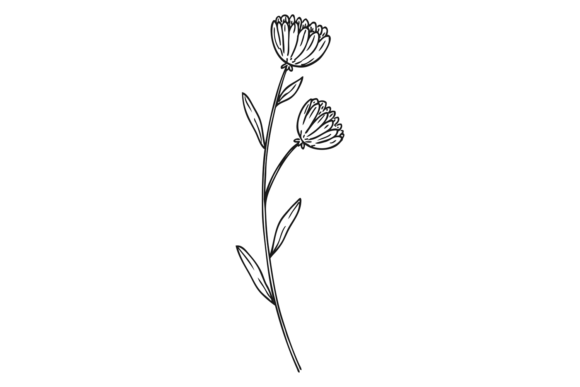
Reviewing the Calendula Flower Botanical Illustration
As a designer who has spent years translating digital art into thread, I approach every new machine embroidery design with a mix of curiosity and caution. We have all been there: you find a beautiful graphic online, buy the digital embroidery file, and only realize after hours of stitching that the details were too fine for the fabric or the density was too high for the hoop. That is why I took a close look at the Calendula Flower Botanical Illustration to see how it holds up not just as a pretty picture, but as a functional asset for real-world embroidery projects.
First Impressions: Mood and Visual Personality
The first thing that strikes me about this Calendula Flower Botanical Illustration is its grounded, organic feel. Unlike some overly stylized florals that can look cartoonish when stitched out, this design retains the delicate complexity of a medical botanical drawing. The layout is isolated on a white background, which immediately tells me that the lines are likely clean and distinct. For an embroidery designer, clear line work is gold. It suggests that the transition from vector paths to stitch paths will be smooth, minimizing the risk of jagged edges or lost details.
The mood here is calm, herbal, and sophisticated. It does not scream for attention; rather, it invites a closer look. This makes it an excellent candidate for brands or creators who want to convey quality and care. Whether you are running a small boutique or selling on Etsy, this aesthetic aligns well with the current trend toward slow living and natural wellness. It feels less like a generic clipart and more like a curated piece of art, which adds perceived value to any handmade product it adorns.
Real-World Application: From Tote Bags to Nursery Decor
I recently worked on a project for a client launching a line of organic cotton tote bags. They needed a design that would appeal to eco-conscious shoppers without looking cluttered. The Calendula Flower Botanical Illustration came to mind immediately. Because the design is isolated, it works beautifully as a central focal point on a tote bag design. The botanical theme complements the natural fabric texture, creating a cohesive look that feels intentional and professional.
Beyond apparel, I see strong potential for this design in home goods. Imagine this flower stitched onto a linen tea towel or a muslin pillow cover. The intricate petals would add a touch of elegance to kitchen textiles, making them suitable as holiday embroidery gifts or housewarming presents. For those in the nursery market, the soft, natural vibe of the calendula fits perfectly with gender-neutral baby decor. A small version of this design on a muslin swaddle or a baby hat could serve as a subtle, classy baby embroidery accent that parents would cherish.
For Etsy sellers and craft business owners, versatility is key. This illustration can be scaled down for a pocket logo on a sweatshirt embroidery project or enlarged for a statement piece on a denim jacket. The fact that it is available in formats like EPS, SVG, and transparent PNG means you can also use it for printable mockup creation, allowing you to showcase your finished product online before you even stitch a single thread. This saves time and helps in creating consistent design assets for your shop.
Technical Considerations for Stitching Success
While the visual appeal is strong, we must discuss the technical side. Since this is originally a botanical illustration, it likely contains fine lines and detailed shading. When converting such graphics into an embroidery file, one must be mindful of stitch density. If the design relies heavily on fill stitch areas to mimic the shading of the original illustration, it may become stiff on lightweight fabrics. I recommend testing a sample on scrap fabric first to ensure the backing does not pucker the material.
For best results, consider using a cut-away stabilizer if you are working on stretchy fabrics like jersey knits for custom apparel. If you are stitching on woven cotton or linen, a tear-away stabilizer might suffice, but always check the tension. The delicate nature of the calendula petals means that running stitch outlines might get lost if the thread color does not contrast enough with the fabric. I advise doing a black-and-white mockup test to verify that the shape remains recognizable even without color variation.
Be cautious with very small hoop size applications. If you shrink this design too much for a tiny embroidered patch or a cap front, the fine details of the herb’s leaves and petals may merge together, creating a muddy appearance. In such cases, simplifying the design or opting for an applique design approach where larger shapes are filled with fabric could be a smarter choice. Always inspect the smallest details before committing to a full production run.
Enhancing Brand Value and Customer Trust
Using high-quality illustrations like the Calendula Flower Botanical Illustration directly impacts how customers perceive your brand. In the world of commercial embroidery, professionalism is often judged by the clarity and cleanliness of the design. A crisp, well-digitized floral motif signals that you care about quality. This builds trust, especially for personalized gift items where the recipient expects something special.
Moreover, consistent use of such botanical Graphics and Illustrations helps in building a recognizable brand identity. If your shop specializes in herbal remedies, natural skincare, or organic clothing, this design reinforces your niche. It creates a visual language that customers can associate with your small shop product line. When buyers see a cohesive aesthetic across your custom apparel and home goods, they are more likely to engage with your brand and return for future purchases.
Final Designer Notes
Before you integrate this design into your workflow, remember to check the specific license terms. While many botanical illustrations are versatile, confirming whether the digital embroidery file allows for commercial use is crucial for Etsy sellers and boutique owners. Additionally, since the product description mentions EPS, JPG, SVG, and transparent PNG, ensure you have the right software to convert these vectors into machine-readable formats if a native embroidery file is not provided.
Test different thread colors to see what best captures the warmth of the calendula. Traditional oranges and yellows are obvious choices, but experimenting with muted earth tones or monochrome threads can yield surprising, modern results. Ultimately, the Calendula Flower Botanical Illustration is a robust resource for designers who value both aesthetics and practicality. With careful attention to fabric texture and stitch settings, it can elevate your embroidery project from simple craft to professional merchandise.