Reviewing Young Nurse Samile Face Vector for Embroidery
As a designer who has spent countless hours digitizing and stitching out various motifs, I have learned that not every Graphics asset translates well to thread. When I first pulled up the Young Nurse Samile Face Vector, my initial reaction was one of cautious optimism. The illustration promises a modern, eye-catching aesthetic suitable for websites and print, but my job is to determine if it holds up under the needle. For embroidery designers, Etsy sellers, and craft business owners, the gap between a clean vector line and a successful machine embroidery design can be wide. This review breaks down how this specific asset performs in real-world applications.
First Impressions and Visual Personality
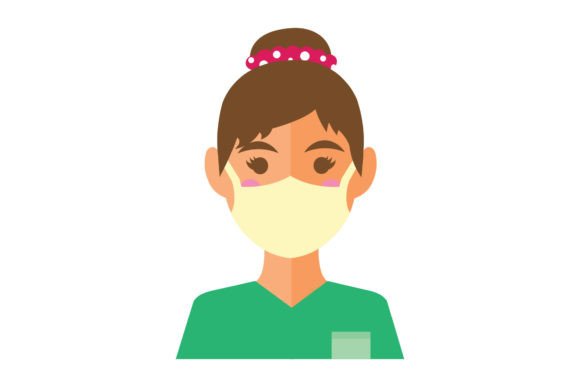
The mood of the Young Nurse Samile Face Vector is undeniably cheerful and professional. It captures a "happy nurse face" that feels welcoming rather than clinical. From a layout perspective, the lines are well-organized, which is a promising sign for digitizers. However, vectors are infinitely scalable, while embroidery is bound by the physical limitations of thread and fabric. The detail level here is moderate, avoiding the extreme intricacy that often causes stitching nightmares. The visual personality suggests warmth, making it an ideal candidate for projects meant to convey care, gratitude, or professionalism.
For those of us creating design assets for small shop products, the clarity of the facial features is crucial. If the eyes or smile are too complex, they can turn into a blob of thread on smaller items. In this case, the simplified style works in our favor, suggesting that with proper digitizing, the character will remain recognizable even at reduced sizes.
Real-World Application: The Custom Tote Bag Scenario
To truly test the viability of this design, I imagined a specific client request: a set of custom tote bags for a local nursing graduation ceremony. The client wanted something personal but durable. Using the Young Nurse Samile Face Vector as the central motif, I envisioned placing it on a heavy canvas tote bag design.
In this scenario, the design’s cheerful expression adds a layer of emotional value to the handmade product. Graduates and their families are looking for keepsakes that feel special. A generic text-only bag lacks the visual punch that a character illustration provides. By converting this vector into an embroidery file, we transform a simple bag into a cherished memory. The key here is ensuring the stitch types match the fabric texture. Canvas can handle higher stitch density, allowing for richer fill stitches in the hair and uniform, while maintaining crisp satin stitches for the outlines.
Versatility Across Product Lines
Beyond tote bags, this illustration has strong potential across various categories. For sweatshirt embroidery, the design could serve as a left-chest logo for medical staff uniforms or a large back print for casual scrubs-inspired loungewear. The friendly face softens the often sterile image of healthcare work.
For baby embroidery, such as onesies or bibs for children of healthcare workers, the scale must be adjusted carefully. The "happy" expression resonates well with pediatric themes. Additionally, this could work beautifully as an embroidered patch. Patches allow for dense stitching without worrying about fabric puckering, making them a safe bet for detailed vector conversions. Whether used for holiday embroidery gifts like Christmas ornaments or year-round personalized gift items, the versatility is evident.
Technical Considerations and Stitching Challenges
While the source material is listed as an EPS file within the Illustrations category, we must remember that an EPS is not an embroidery file. It requires digitizing. Here is where practical judgment comes into play.
- Fabric Texture: On textured fabrics like terry cloth towels or fuzzy fleece, fine details may get lost. The Young Nurse Samile Face Vector should be simplified further if used on these materials.
- Dark Fabric: If stitching on dark navy or black scrubs, you must plan your thread colors carefully. Light skin tones and white uniform elements will pop, but ensure there is enough contrast so the face doesn't look washed out.
- Curved Surfaces: Applying this to caps or hats requires distortion correction. The face must remain symmetrical despite the curve of the cap front panel.
- Stabilizer Choice: For stretchy fabrics like jersey t-shirts, a cut-away stabilizer is non-negotiable to prevent distortion of the facial features over time.
One area to approach with caution is tiny lettering if the vector includes any text elements not explicitly mentioned in the description. Small text often fails in embroidery unless specifically digitized with single-run stitches or very tight satin columns. Always inspect the vector for any hidden micro-details that might not translate to thread.
Enhancing Brand Value and Customer Trust
For the Etsy seller or boutique owner, the quality of the final stitched product directly impacts brand consistency. A well-executed version of Young Nurse Samile Face Vector signals professionalism. Customers associate clean, crisp stitching with high value. Conversely, messy fills or broken threads due to poor digitizing can damage trust.
Using this design in commercial embroidery projects allows for differentiation. While many sellers use standard fonts or clip art, a unique character illustration creates a memorable brand identity. It enhances buyer engagement because it tells a story. A nurse wearing a sweatshirt with this happy face isn't just wearing clothes; she is wearing a symbol of pride and joy in her profession. This emotional connection drives sales and encourages repeat customers.
Practical Designer Notes for Implementation
Before committing to a full production run, follow these steps to ensure success with this asset:
- Test on Scrap Fabric: Never stitch directly on the final garment. Use a similar fabric weight and type to test tension and density.
- Check Thread Color Contrast: Create a digital mockup using actual thread colors from your inventory. See how the skin tone interacts with the uniform color.
- Review Stitch Density: Ensure the digitized file does not have excessive overlap, which can cause thread breaks or fabric stiffness.
- Confirm Hoop Size: Determine the minimum viable size for the design. Can it still be recognized at 3 inches? If not, adjust the complexity.
- Licensing Verification: The product description mentions it is suitable for commercial use in templates and prints, but always double-check the specific license terms for digital embroidery file resale versus finished product sales. Ensure you have the right to sell the physical embroidered item.
In conclusion, the Young Nurse Samile Face Vector is a strong contender for embroidery projects when handled with technical care. It offers a blend of modern aesthetics and emotional appeal that fits perfectly into the current market for personalized, meaningful goods. By respecting the limitations of thread and fabric, designers can turn this simple illustration into a standout finished product that delights customers and elevates their craft business.