Review: Every Bunny's Favorite T-Shirt Design
As a designer who has spent countless hours digitizing and stitching out embroidery files, I have learned that not every graphic translates well to thread. When I first encountered Every Bunny s Favorite T-Shirts Design, my initial reaction was one of cautious optimism. The concept—a playful nod to pediatric nursing with a bunny theme—is undeniably charming. However, charm alone does not make a viable machine embroidery design. I needed to know if this asset would hold up under the needle, especially for clients who demand durability and professional finish.
First Impressions and Visual Personality
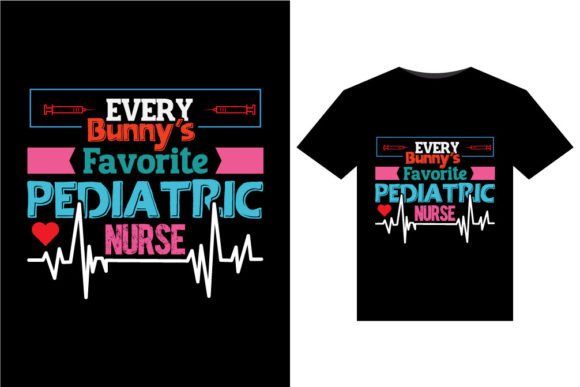
The visual personality of this design leans heavily into warmth and approachability. For pediatric nurses, the aesthetic needs to be friendly without being childish to the point of unprofessionalism. This design strikes that balance. The shapes are rounded and soft, which is ideal for embroidery because sharp, jagged corners often require complex underlay stitching to prevent puckering. From a layout perspective, the composition feels balanced, suggesting that it was created with vector precision before being converted into an embroidery file.
When evaluating T-Shirt Designs and Graphics for real-world use, I look for clarity. Does the image read well from a distance? In this case, the primary elements are distinct. The bunny motif serves as an immediate visual hook, while the nursing context provides the professional anchor. This duality makes it versatile. It is not just a cute animal; it is a statement piece for healthcare workers who specialize in pediatric care.
Real-World Application: The Custom Sweatshirt Test
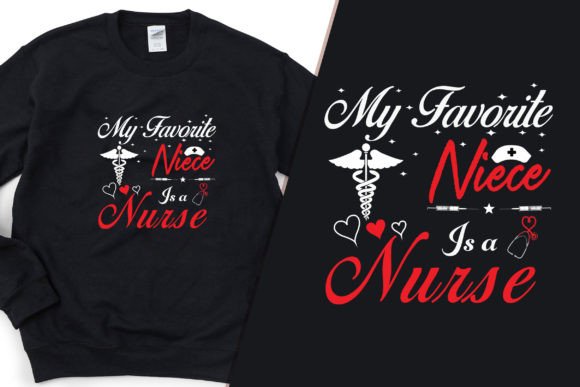
To truly test the viability of Every Bunny s Favorite T-Shirts Design, I imagined a specific client scenario. A local boutique owner approached me about creating a line of custom apparel for a children’s hospital fundraising event. She wanted something that felt personal and high-quality, not like a mass-produced screen print. I selected this design for a premium cotton-blend sweatshirt.
The choice of garment matters. A sweatshirt offers a stable, thick surface that handles fill stitch areas beautifully. Unlike thin jersey knits, the fleece backing of a sweatshirt provides natural support, reducing the risk of the fabric pulling or distorting during stitching. As I reviewed the design for this project, I considered how the thread colors would interact with the heather gray fabric. Pastel pinks and blues, common in pediatric themes, pop nicely against neutral backgrounds, but they require high contrast to remain visible. This design’s bold outlines help maintain definition even when using softer color palettes.
For an Etsy seller or craft business owner, this type of application is gold. It transforms a simple garment into a personalized gift or a meaningful handmade product. Customers are not just buying a shirt; they are buying a sense of identity and pride in their profession. The emotional connection drives sales, but the quality of the stitch keeps customers coming back.
Technical Considerations for Embroiderers
While the design is visually appealing, practical execution requires attention to detail. Here are the key technical factors I evaluated before recommending this for commercial use.
- Stitch Density and Fabric Type: If the design contains large solid areas, check the stitch density. High density on stretchy fabrics like t-shirts can cause tunneling or stiffness. Always use a appropriate stabilizer. For knits, a cut-away stabilizer is usually best to provide long-term support.
- Hoop Size Compatibility: Ensure the design fits within your standard hoop sizes. While many modern machines handle large formats, smaller hoops (4x4 inches) might require splitting the design or scaling it down, which could compromise the legibility of any text elements.
- Detail Level: Look closely at the finer details. Tiny features, such as the eyes of the bunny or small text, must be large enough to stitch cleanly. If the details are too small, they may get lost in the thread buildup or break frequently during production.
- Thread Color Contrast: Test the design in black and white mockups. If the design relies solely on color changes to define shapes, it may fail on monochrome projects. Good embroidery designs use shape and outline, not just color, to create definition.
It is crucial to note that the product description mentions "100 vector" and "100 resi," which suggests high-resolution source files. However, as an embroiderer, you must verify the actual stitch file format. Vector graphics are excellent for scaling, but they must be properly digitized into stitch data. Always check if the downloaded package includes the specific digital embroidery file formats compatible with your machine (such as PES, DST, or EXP).
Where to Use This Design Carefully
Not every surface is suitable for every design. While Every Bunny s Favorite T-Shirts Design works well on sweatshirts and tote bags, exercise caution with other materials.
Curved Surfaces: Embroidering on caps or curved sleeves can distort circular or symmetrical designs. If you place this on a cap, ensure the center point is perfectly aligned, as any shift will be immediately noticeable.
Thin Fabrics: Avoid using this on sheer or very thin fabrics unless you are experienced with lightweight stabilization. The weight of the thread can pull the fabric, causing unsightly puckering around the edges of the bunny shape.
Frequent Washing: Pediatric nurses wash their scrubs and uniforms often. Ensure that the thread used is high-quality polyester or rayon that can withstand industrial laundering without fading or fraying. Test a sample piece through multiple wash cycles before selling the finished product.
Enhancing Brand Value and Customer Trust
For small shop product lines, consistency is key. Using a well-digitized design like this enhances brand perception. When a customer receives a custom apparel item with clean stitches, no jumps threads, and proper tension, they trust the maker. This trust translates into positive reviews and repeat business.
Furthermore, this design serves as an excellent printable mockup asset for online listings. Because the graphic is clear and recognizable, it photographs well. You can showcase it on various items—tote bag design previews, baby embroidery samples, or holiday embroidery gifts—to demonstrate versatility. This helps potential buyers visualize the product in their own lives, increasing conversion rates.
Final Verdict for Designers and Makers
Every Bunny s Favorite T-Shirts Design is a strong contender for anyone looking to add a touch of whimsy to professional nursing apparel. It bridges the gap between cute and professional, making it ideal for pediatric settings. However, its success depends entirely on your execution.
Before committing to a large batch of commercial embroidery projects, always stitch out a test sample on your intended fabric. Check the license terms carefully. The description hints at commercial use for websites and stores, but you must confirm whether the license allows for unlimited physical sales or if there are restrictions on digital redistribution. Never assume; always verify.
If you are an appliqué design enthusiast, consider adapting this concept by using fabric pieces for the bunny body and only stitching the outlines and details. This reduces stitch count and adds texture, creating a unique embroidered patch feel. Whether you are creating sweatshirt embroidery for a team or a single personalized gift for a friend, this design offers a solid foundation. Just remember: good design is only half the battle; skilled stitching is what brings it to life.