Nurse Practitionar Design: A Practical Embroidery Review
As someone who has spent years digitizing and stitching thousands of machine embroidery design files, I have learned to look past the glossy preview images. What matters is how a file behaves under the needle, how it interacts with different fabric texture, and whether it holds up in the real world of client expectations. Recently, I evaluated the Nurse Practitionar design, a graphic asset marketed primarily for T-Shirt Designs but with potential across various Graphics applications. Here is my honest assessment of its viability for your next embroidery project.
First Impressions and Visual Personality
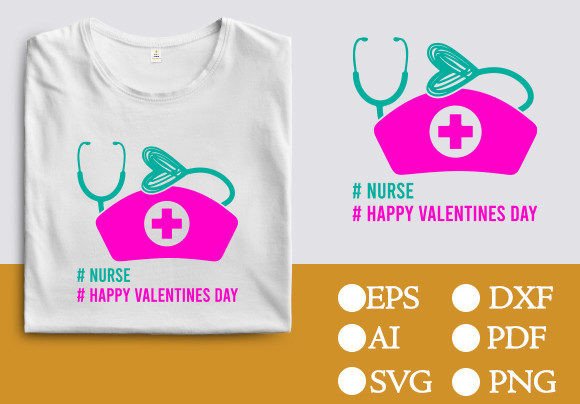
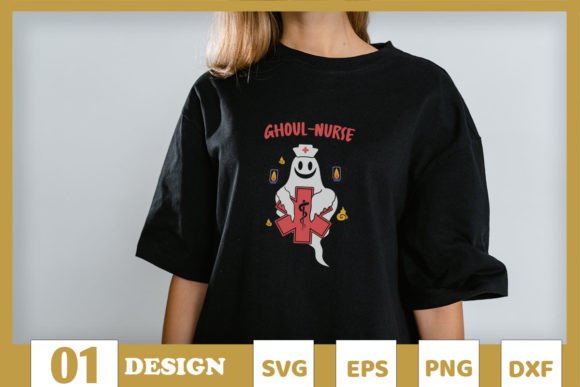
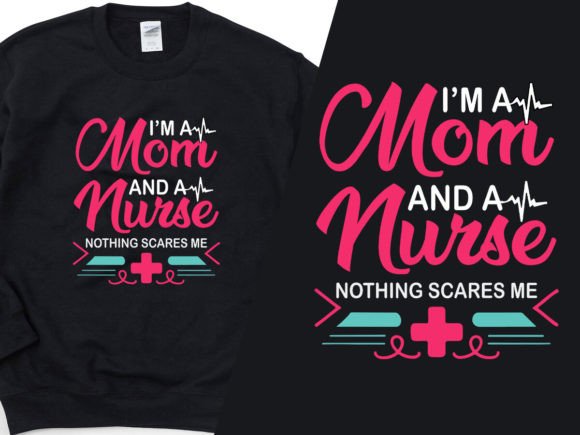
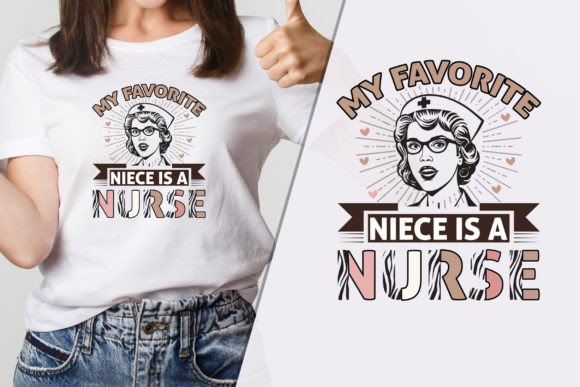
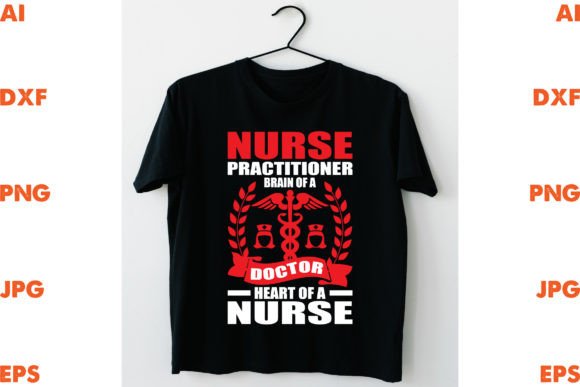
The first thing that strikes you about Nurse Practitionar is its bold, thematic clarity. It carries a professional yet approachable mood, suitable for healthcare professionals who want to express pride in their vocation without resorting to cliché medical symbols alone. The layout appears balanced, suggesting that the designer considered visual weight distribution. For an Etsy seller or craft business owner, this immediate recognizability is crucial. Customers scrolling through online listings need to understand the product’s purpose within seconds.
However, the provided description notes a size of 18 feet by 15 feet. In the context of digital design assets, this is almost certainly a typo for inches, or perhaps it refers to a large-format print capability rather than standard embroidery. For machine embroidery, we typically work in inches. If this design is indeed intended for standard hoops, you must verify the actual digitized dimensions before loading it into your software. Assuming it scales down to a wearable size, the editable nature of the elements is a significant advantage. Being able to tweak components allows for better adaptation to specific hoop size constraints.
Real-World Application: The Custom Sweatshirt Test
To truly test Nurse Practitionar, I imagined a common scenario: a custom order for a nurse practitioner graduating from a certification program. The client wants a high-quality sweatshirt embroidery piece that feels premium, not like a cheap promotional item. I visualized placing this design on the left chest of a heavyweight cotton blend sweatshirt.
In this context, the design’s performance depends heavily on stitch type usage. If the original file relies too much on fill stitch areas without proper underlay, it could pull on the knit fabric, causing puckering. Conversely, if it utilizes satin stitch borders effectively, it will provide crisp definition against the textured fabric. For a personalized gift like this, the clarity of any lettering is paramount. Tiny text often gets lost in stitching, so I would recommend enlarging the design or simplifying elements if the original file contains fine details that do not translate well to thread.
Versatility Beyond Apparel
While marketed for t-shirts, this design has broader potential. Consider a sturdy canvas tote bag design. Nurses often carry numerous items, and a durable, embroidered tote is both practical and promotional. The stitch density must be adjusted for canvas, which requires more penetration power than jersey knit. Alternatively, this could work as an embroidered patch applied to a scrub cap or a denim jacket. Patches allow you to stabilize the design on a stiff backing before application, solving many issues related to stretchy or unstable fabrics.
For baby embroidery projects, such as a onesie for a nurse’s child, the design might need significant scaling down. Here, you must check if the small details remain intact. If the design becomes a blob of thread at one inch wide, it is not suitable for infant wear. Always test on scrap fabric first. This simple step saves hours of frustration and ruined garments.
Technical Considerations and Stitching Challenges
When working with any new digital embroidery file, technical due diligence is non-negotiable. The description states you receive one ZIP folder containing editable elements. This suggests the file may be in a source format compatible with specific software, or it includes multiple formats. You must confirm which embroidery file types are included (such as PES, DST, or EXP) to ensure compatibility with your machine.
Stabilizer choice is critical. For a design of this likely complexity, a cut-away stabilizer is usually safer for garments that will undergo frequent washing, typical in healthcare settings. Tear-away stabilizers might leave residue or fail to support the stitches over time. Additionally, consider the thread colors. Healthcare themes often lean toward blues, greens, and whites. Ensure your thread palette offers enough contrast to make the design pop, especially if stitching on dark navy scrubs.
Be cautious with curved surfaces like caps. If Nurse Practitionar has a wide horizontal span, it may distort when stitched on a rounded cap brim. In such cases, splitting the design or using an applique design technique could reduce bulk and improve fit. Applique involves stitching a fabric shape onto the garment and then embroidering over the edges, which is excellent for reducing stitch count and adding texture.
Commercial Viability and Brand Consistency
For small shop product creators, consistency is key. Does Nurse Practitionar fit your brand’s aesthetic? If your shop specializes in minimalist, modern lines, a overly detailed or cluttered version of this design might clash. However, if your brand celebrates bold, expressive graphics, this could be a bestseller. The ability to edit all elements easily means you can align the color scheme with your brand identity, creating a cohesive look across your printable mockup previews and actual finished product photos.
Customer trust is built on quality. A poorly stitched design reflects badly on your business. Before listing this as a commercial embroidery item, run a full test wash. Check for thread breakage, color bleeding, and fabric distortion. If the design holds up, it adds value to your portfolio. High-quality embroidery signals professionalism, encouraging buyers to return for future holiday embroidery gifts or custom orders.
Final Verdict for Designers and Makers
The Nurse Practitionar design offers a solid foundation for healthcare-themed projects, provided you approach it with a critical eye. Its editable nature is its strongest feature, allowing you to tailor it to specific custom apparel needs. Whether you are creating a handmade product for a local craft fair or building a digital inventory for an online store, remember that the raw file is just the starting point.
Always verify the actual dimensions, as the "18 feet" claim is likely an error. Check the license terms to ensure you are permitted to sell physical items made with this design. Test on various fabrics, from smooth polycotton blends to textured towels. By treating this Graphics asset as a flexible component rather than a fixed solution, you can maximize its potential. For the diligent maker, this design can become a staple in your repertoire, bridging the gap between professional pride and creative expression.