Ghoul-nurse: A Designer’s Review for Embroidery Projects
As someone who has spent countless hours digitizing and stitching out designs for clients, I have learned that a graphic’s appeal on a screen does not always translate to the hoop. When I first encountered Ghoul-nurse, my initial reaction was curiosity mixed with professional caution. This is not just another cute seasonal clipart; it is a bold statement piece that bridges the gap between spooky aesthetics and medical humor. For embroidery designers, small business owners, and Etsy sellers, understanding how this design behaves under the needle is crucial before committing to production.
First Impressions and Visual Personality
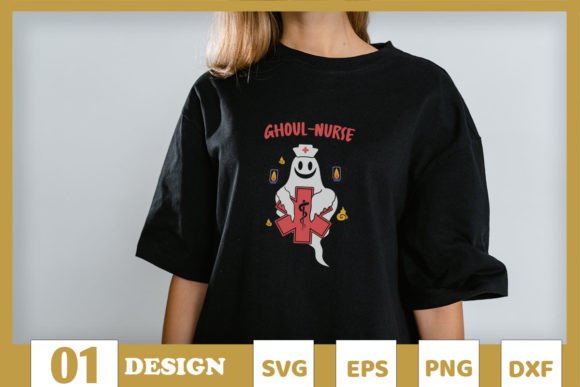
The mood of Ghoul-nurse is playful yet edgy. It captures a specific niche audience—those who love Halloween but also appreciate healthcare professions or dark humor. Visually, the layout feels balanced, with clear lines that suggest it was created with vector precision. Since the product includes SVG, EPS, PNG, and DXF files, we know the original artwork is scalable and clean. However, as an embroiderer, I look past the transparent background and focus on the shape. Does it have too many tiny details that will break under tension? Is the silhouette distinct enough to be recognized from a distance?
In my experience, designs that rely heavily on fine lines can get lost in fabric texture. Ghoul-nurse appears to have strong outer contours, which is a good sign for stitch clarity. The theme suggests it would work beautifully as a focal point on a chest pocket or centered on the back of a garment. It does not feel like a subtle accent; it demands attention, making it ideal for products where the design is the main selling point.
Real-World Application: The Custom Sweatshirt Test
To evaluate Ghoul-nurse properly, I imagined a real-life scenario: a custom order for a local nursing student group looking for matching hoodies for their Halloween clinical rotation prep. This is a common request for craft business owners during the autumn season. The goal was to create a handmade product that felt professional yet fun.
I visualized placing the design on a heather grey crewneck sweatshirt. The contrast between the dark elements of the ghoul character and the light fabric would require careful thread selection. If the design relies on solid fills, I would need to ensure the stitch density is not too high, which could cause the fabric to pucker. Conversely, if the design uses open areas, I might need to consider a backing stabilizer that provides enough support without adding bulk. The result, in my mind’s eye, was a striking piece of custom apparel that would likely generate significant social media engagement for the buyer.
Material Considerations and Stitching Challenges
While Ghoul-nurse is versatile, it is not universally suitable for every substrate. Here is where practical judgment comes into play:
- Fabric Texture: On fluffy materials like fleece or terry cloth towels, small details may disappear. This design is best suited for smooth cotton blends, polyester caps, or tight-knit sweatshirt material.
- Stretchy Fabric: If applying this to a baby onesie or a stretchy t-shirt, the distortion risk is real. A cut-away stabilizer is non-negotiable here to maintain the integrity of the shapes.
- Dark Fabrics: If stitching on black or navy, you must check if the design includes white or light-colored elements. Without proper underlay stitches, the dark fabric can show through lighter threads, muddying the image.
- Curved Surfaces: For caps or hats, the center placement must be precise. The width of Ghoul-nurse needs to fit within the standard cap frame without distorting the facial features or key graphical elements.
Enhancing Product Value and Brand Consistency
For an Etsy seller or boutique owner, the choice of design reflects brand identity. Ghoul-nurse fits well into categories like holiday embroidery, niche profession gifts, and quirky home decor. It adds perceived value because it is specific and targeted. Generic ghosts are everywhere; a ghoul nurse is a conversation starter. This specificity helps in creating a memorable finished product that customers are proud to wear or display.
When used in commercial embroidery projects, such as branded aprons for a themed cafe or patches for a medical comedy club, the design reinforces community belonging. It transforms a basic item into a personalized gift or a collectible piece of merchandise. The visual appeal drives buyer engagement, especially when showcased in high-quality printable mockup images or lifestyle photos.
Practical Notes for the Embroidery Designer
Before you load this file into your machine, take these steps to ensure success:
- Check File Compatibility: The download provides SVG, EPS, PNG, and DXF files. Note that these are graphic formats, not native embroidery machine formats like PES or DST. You will need to digitize this design yourself or use auto-digitizing software with caution. Always inspect the generated stitch path.
- Test on Scrap Fabric: Never run a new design directly on customer goods. Stitch it out on the same type of fabric and stabilizer you plan to use for the final product.
- Review Stitch Density: If you are digitizing from the SVG, pay attention to large fill areas. Break them up with running stitches or pattern fills to reduce weight and prevent puckering.
- Thread Color Contrast: Plan your thread palette carefully. Use a color chart to ensure the transition between the ghoul elements and the nurse accessories is sharp and visible.
- Verify Licensing: While the product description mentions project idea photos are for inspirational purposes, always confirm the commercial use rights for the digital file itself before selling finished items. Ensure you are compliant with the creator’s terms for craft business usage.
Final Verdict on Ghoul-nurse
Ghoul-nurse is a strong contender for designers looking to expand their seasonal or niche portfolio. It offers a unique blend of humor and style that resonates with specific audiences. However, its success depends entirely on execution. It is not a plug-and-play solution for every machine without proper digitizing or adaptation. For those willing to put in the work to optimize stitch paths and select the right materials, this design can elevate a simple tote bag design or sweatshirt embroidery into a standout bestseller. It reminds us that in the world of handmade goods, thoughtful design choices lead to trusted, high-quality products that customers return for year after year.